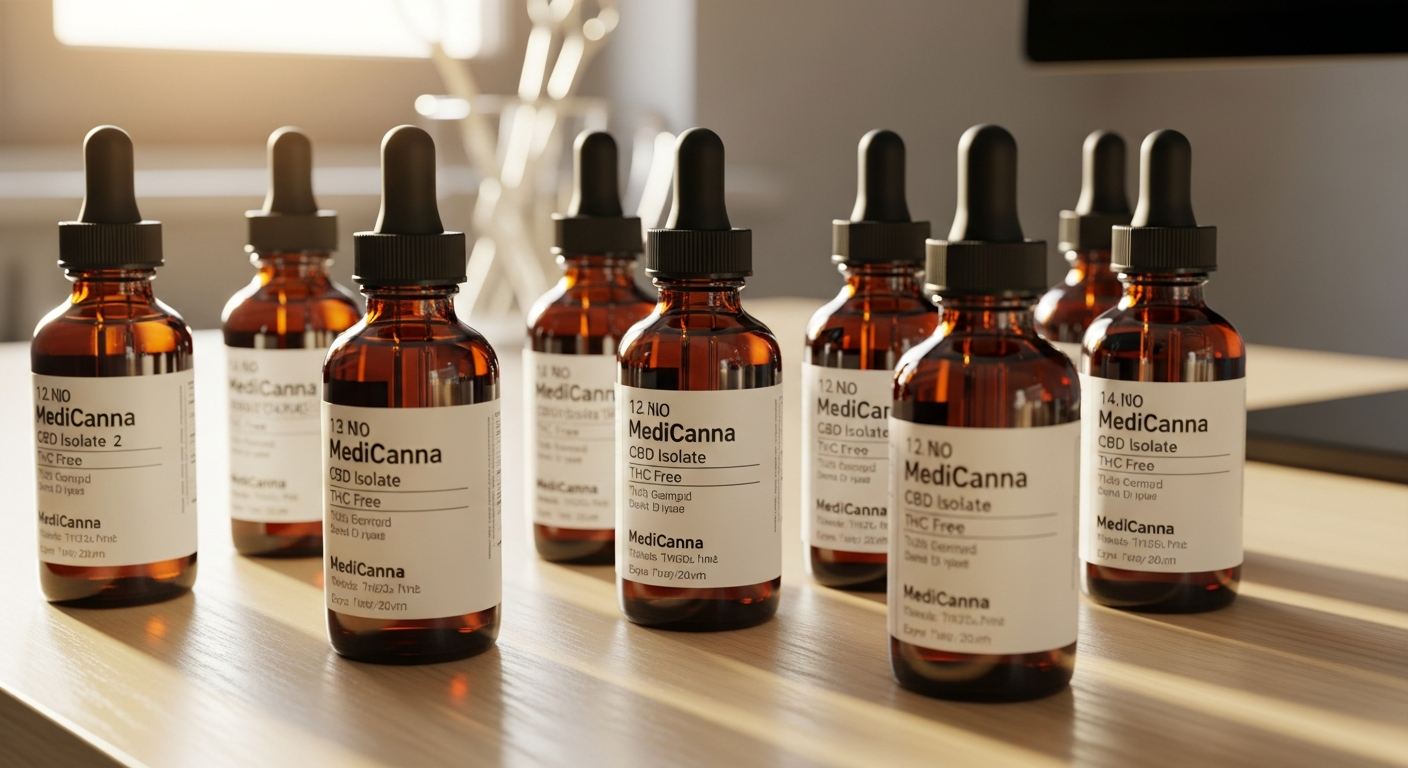
Health insurance in America doesn't cover medical cannabis. Gabriel Care does.
If you've ever asked your doctor about cannabis for chronic pain, anxiety, or cancer treatment, you've probably heard the same answer: "I can't prescribe it, and your insurance won't cover it anyway."
That's true of every health insurance plan in the country. Gabriel Care is a wellness membership that works alongside your health plan and covers what it won't, including cannabis medicine.
Why Traditional Insurance Won't Cover Cannabis
The reason has nothing to do with whether cannabis works. It comes down to federal law and how insurance pays for drugs.
For decades, federal law put all marijuana in Schedule I, classifying it alongside heroin and LSD as having "no currently accepted medical use." Never mind that about 40 states now have medical marijuana programs.
That changed in part in April 2026. The Justice Department moved marijuana sold under a state medical marijuana license, along with FDA-approved drugs that contain marijuana, to Schedule III. Adult-use marijuana is still Schedule I while the DEA weighs broader rescheduling.
Rescheduling didn't make medical marijuana an FDA-approved drug, though. Health insurers generally pay for FDA-approved medicines dispensed with a prescription. State programs certify or recommend cannabis instead of prescribing it, and dispensary products never go through FDA drug approval, so insurers still won't pay for them. The exceptions prove the rule: FDA-approved cannabinoid drugs like Epidiolex (a prescription CBD for certain seizure disorders) and dronabinol are covered like other prescriptions.
There's also no billing infrastructure. The American Medical Association hasn't created CPT codes for cannabis therapy. Without those codes, insurers have no way to process claims for cannabis consultations or products.
So patients pay out of pocket. Every month. For medicine that actually helps.
The Legal Reality in 2026
Federal cannabis policy is a mess of contradictions. Here's what's actually legal:
Hemp-derived CBD has been federally legal since the 2018 Farm Bill, but that isn't a free pass. States can restrict or ban CBD products, and the federal definition of hemp is tightening. Starting December 11, 2026, a hemp product only stays legal if it meets a total-THC standard and contains no more than 0.4 mg of total THC per container, a limit many full-spectrum CBD products exceed. Synthetic cannabinoids lose hemp status even sooner, on November 12, 2026.
Medical marijuana programs exist in about 40 states as of 2026. Patients with qualifying conditions can get state medical cannabis cards and purchase THC products from licensed dispensaries. Since April 2026, federal law treats marijuana sold under those state medical licenses as Schedule III.
THC is legal for adults in 24 states and the District of Columbia. You don't need a medical card in these states, but you do need to be 21+. Federally, adult-use marijuana is still Schedule I.
Since 2014, Congress has barred the Justice Department from spending money to interfere with state medical marijuana programs, and it has renewed that rule in every budget since. The Cole Memorandum, which set a similar hands-off policy toward state-legal businesses in 2013, was rescinded in 2018. Federal law still hasn't legalized marijuana, and insurers haven't changed course.
What Cannabis Medicine Actually Looks Like
Cannabis medicine isn't about getting high. It's about targeted therapeutic use under practitioner guidance.
CBD for anxiety and pain is the most common application. Patients take CBD oils or capsules daily for generalized anxiety, social anxiety, chronic pain conditions, and inflammation. Typical doses range from 20mg to 100mg per day. CBD is also the active ingredient in Epidiolex, an FDA-approved prescription drug for seizures in Dravet syndrome, Lennox-Gastaut syndrome, and tuberous sclerosis complex.
THC for serious conditions includes cancer patients managing nausea and appetite loss during chemotherapy, PTSD patients working with trauma therapists, and chronic pain patients who haven't responded to other treatments.
RSO protocols (Rick Simpson Oil, a concentrated cannabis extract) are used by some cancer patients as part of integrative oncology approaches. These are high-dose protocols that require careful monitoring.
Cannabis consultations with licensed healthcare providers help patients find the right products, dosing, and delivery methods. These aren't "med card mills." They're real clinical appointments with physicians, nurse practitioners, or naturopathic doctors who specialize in cannabis medicine.
This is therapeutic cannabis. It's recommended or certified by a licensed practitioner under state law. It's dosed carefully. It's monitored.
And apart from a few FDA-approved prescription drugs, no health plan in America covers any of it.

What Cannabis Medicine Costs Without Coverage
Patients who use cannabis medicine pay hundreds of dollars per month out of pocket.
CBD products typically cost $50 to $200 per month depending on concentration and delivery method. A 30ml bottle of 1000mg CBD tincture runs $60 to $90 retail. Patients with chronic conditions often need higher concentrations, which cost more.
THC products in medical dispensaries cost $100 to $400 per month. An eighth ounce (3.5 grams) of medical-grade flower costs $40 to $70. Patients using daily THC therapy for chronic conditions can easily spend $300+ monthly.
Cannabis consultations with licensed practitioners cost $150 to $300 per visit. Initial consultations are typically $200 to $300. Follow-ups run $100 to $150. Most patients need at least two to three appointments per year.
RSO protocols for cancer patients cost $200 to $500 per month depending on dose and duration. A full 90-day protocol can cost $1,500 to $4,000 out of pocket.
Add it up and patients using cannabis medicine spend $1,200 to $4,800 per year. More for serious conditions requiring RSO or high-dose THC therapy.
That's rent. That's car payments. That's real money patients are choosing between medicine and other necessities.
How Gabriel Care Covers Cannabis Medicine
Gabriel Care doesn't replace your health insurance. Your plan handles conventional medical care, and Gabriel Care covers the care insurance won't.
That includes cannabis medicine, where legal, through licensed providers. There's no separate cannabis cap: eligible expenses are reimbursed from your monthly wellness balance, 100% with Gabriel Network providers and 50% out of network, up to your balance for the month (up to $500 on Emerald, $750 on Sapphire, and $1,500 on Onyx).
What's covered:
- CBD products that comply with federal and state hemp law (oils, tinctures, topicals, capsules)
- State-licensed THC products in states where they're legal (oils, tinctures, topicals, capsules, RSO)
- Cannabis consultations with licensed healthcare providers
- Follow-up appointments with cannabis medicine practitioners
Requirements:
- Must be practitioner-recommended (physician, nurse practitioner, naturopathic doctor, or licensed cannabis consultant)
- Products must be from licensed dispensaries or legitimate CBD retailers (no gas station CBD)
- Members must provide receipts and practitioner documentation
- Gabriel verifies legal status in your state, and cannabis expenses get extra review
What's NOT covered:
- Recreational cannabis purchases without practitioner recommendation
- Flower or edibles for non-medical use
- Products purchased outside state-legal channels
Because there's no cannabis-specific cap, cannabis products and visits draw on the same monthly balance as the rest of your care. A patient on an RSO protocol or high-dose therapy can put more of that balance toward it.
Cannabis consultations with licensed practitioners draw on the same balance. Members submit receipts, and Gabriel reviews them like any other practitioner visit.
Gabriel AI, Gabriel Care's care navigation assistant, helps members find cannabis-friendly practitioners in their area and understand which products are eligible for reimbursement.
Why Gabriel Care Can Cover It
Gabriel Care is a membership, not insurance. It sets its own eligibility rules in its Member Agreement, so it isn't bound by insurers' drug formularies or billing codes.
That's what lets it cover cannabis medicine, within firm limits: only where it's legal, only through licensed providers, and only with documentation. Gabriel verifies legal status in your state before reimbursing, and cannabis expenses get extra review.
In states where medical marijuana is legal, members can submit receipts for THC products purchased from licensed dispensaries. Wherever state law allows it, members can submit receipts for CBD products that comply with federal and state hemp law.

What This Means for the Cannabis Industry and Patients
A membership that covers cannabis medicine matters beyond the dollars.
For patients, it's validation. Cannabis medicine moves from "alternative therapy you pay for yourself" to "covered healthcare benefit." That shift matters psychologically and financially.
For the cannabis industry, it's a proof of concept. If one membership can cover cannabis medicine, others can follow.
For practitioners, it creates a reimbursement pathway. Cannabis consultations have always been cash-pay. Now there's a model for coverage, which could lead to more physicians integrating cannabis into standard care protocols.
For health policy, it highlights the absurdity of federal cannabis classification. If a wellness membership can cover state-legal cannabis medicine, why can't insurance companies? The answer is federal drug policy: even after April's partial rescheduling, dispensary cannabis isn't an FDA-approved drug, so insurers won't touch it.
This won't settle the broader rescheduling fight, which is still in front of the DEA. But it shows patients don't have to wait for insurers to get help paying for cannabis medicine. And it creates a template others can copy.
The cannabis industry has been waiting for legitimacy. Coverage is legitimacy.
What Happens Next
Gabriel Care's cannabis medicine benefit is live. Members can submit eligible cannabis medicine expenses from their first month.
The coverage is simple: practitioner-recommended cannabis products and visits, paid from your monthly wellness balance. Submit receipts, get reimbursed.
This doesn't fix federal cannabis policy. It doesn't give patients access to cannabis through traditional insurance. But it does give patients using cannabis medicine a real way to offset the cost.
For the cannabis industry, that's a bigger deal than it might seem. Even after April's partial rescheduling, health insurers still won't pay for dispensary cannabis.
Coverage didn't have to wait for them. It just required someone to build outside the insurance system.
Frequently Asked Questions
Q: Is this legal?
Gabriel Care only covers cannabis medicine bought legally where you live: THC products from state-licensed dispensaries in states where they're legal, and CBD products that comply with federal and state hemp law. Gabriel verifies legal status and your practitioner's documentation before reimbursing. And because Gabriel Care is a membership, not insurance, it isn't bound by insurers' drug formularies or billing codes.
Q: Do I need a medical marijuana card?
It depends on your state. In medical-only states, yes, you'll need a state medical cannabis card to purchase THC products legally. In adult-use states, you don't need a card, but you do need practitioner recommendation to have those purchases covered by Gabriel Care. Hemp CBD products don't require any card in any state.
Q: What counts as "practitioner-recommended"?
Any licensed healthcare provider can recommend cannabis medicine. That includes physicians, nurse practitioners, naturopathic doctors, and licensed cannabis consultants. You'll need documentation of the recommendation (a note, treatment plan, or consultation summary). Gabriel Care doesn't require a formal prescription, since state medical programs certify or recommend cannabis rather than prescribe it, but you do need evidence of practitioner guidance.
Q: Can I use this for recreational cannabis?
No. The benefit is for medical cannabis use under practitioner recommendation. If you're buying cannabis recreationally without any healthcare guidance, those expenses aren't eligible for reimbursement. The distinction is practitioner involvement and therapeutic intent, not whether you have a medical card.
Q: Is there a monthly limit on cannabis medicine?
There's no cannabis-specific cap. Eligible cannabis products and visits draw on your monthly wellness balance, like the rest of your care: up to $500 a month on Emerald, $750 on Sapphire, and $1,500 on Onyx, reimbursed at 100% with Gabriel Network providers and 50% out of network. If your therapy costs more than your balance covers, you pay the difference.
Q: Will health insurance start covering cannabis medicine?
Possibly, but it won't be quick. Traditional insurance companies are still held back by federal drug rules, the lack of FDA approval for dispensary products, and the lack of CPT billing codes. Other memberships could adopt benefits like Gabriel Care's sooner. If membership grows and outcomes are positive, expect others to follow.
The Bottom Line
Cannabis medicine coverage, where legal, through licensed providers. Gabriel Care. From $249/mo.
Health insurance won't offer this. Gabriel Care does.
If you use cannabis medicine under practitioner guidance, this is coverage your health insurance won't give you. If you're a cannabis industry professional, this is the proof of concept you've been waiting for.
Federal cannabis policy is starting to change. Until insurers catch up, there's Gabriel Care.
See everything Gabriel Care covers at gabrielcare.co/coverage-list
Last updated: September 2026