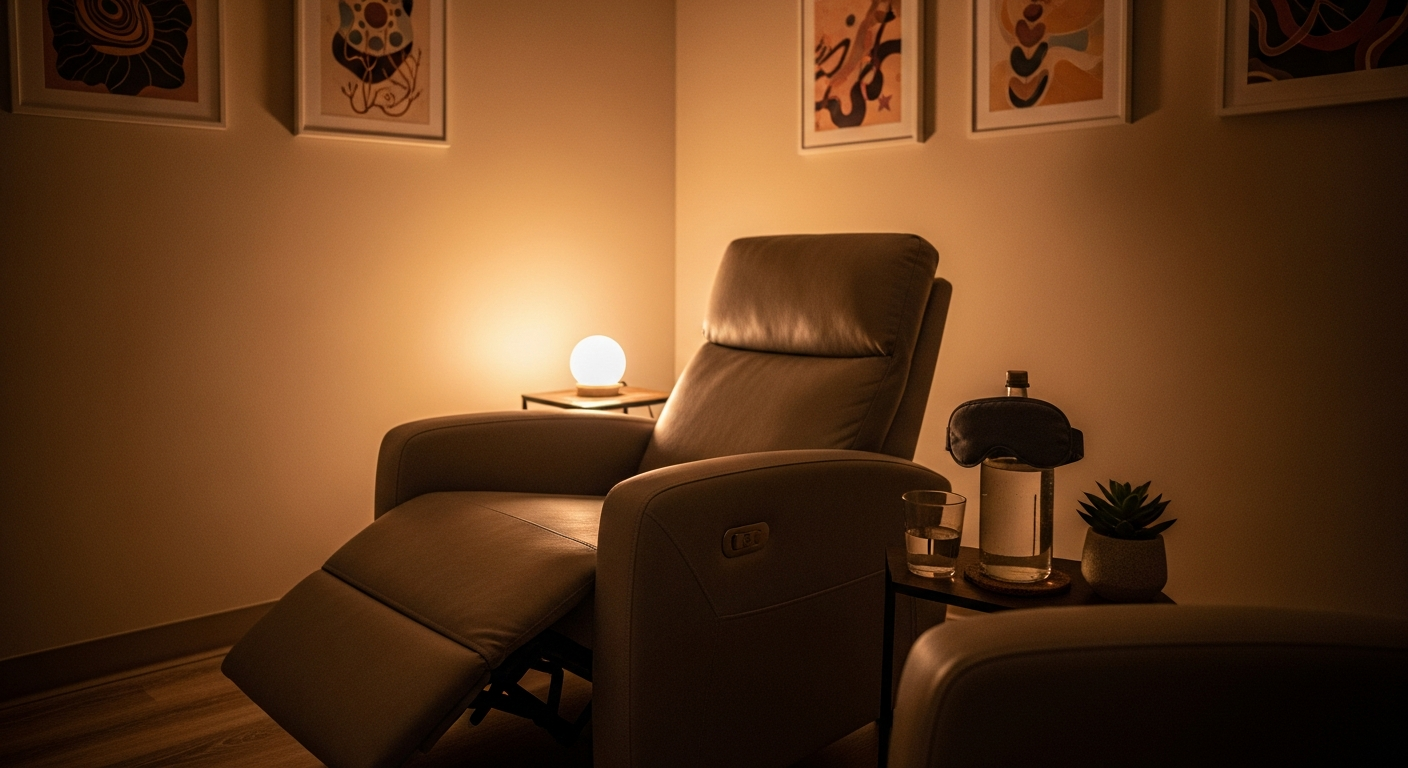
The mental health treatment world is changing fast. Psychedelic therapy, once relegated to underground clinics and research trials, is now entering mainstream medicine.
But here's the problem: most health insurance won't pay for it.
This creates a two-tier system where people with money can access breakthrough treatments while everyone else is stuck with outdated options that haven't worked for them.
This article breaks down what psychedelic therapy actually costs, which insurers might cover it, and what your realistic options are in 2026.
The Current State of Psychedelic Therapy in America
Two psychedelic treatments are legally available in the United States today, each with a different legal framework. A third is still waiting on the FDA.
Ketamine therapy is legal by prescription. The FDA approved ketamine as an anesthetic in 1970, and doctors can prescribe it off-label for depression, anxiety, PTSD, and chronic pain. A related drug, esketamine (Spravato), is FDA-approved for treatment-resistant depression. With ketamine clinics and telehealth programs, this is the most accessible psychedelic treatment in America right now.
Psilocybin therapy is legal in Oregon and Colorado through state-regulated programs. Oregon launched licensed service centers in 2023, and Colorado's first licensed healing centers opened in 2025. Both states require licensed facilitators and approved facilities. New Mexico is next: its medical psilocybin program is set to launch by the end of 2026.
MDMA-assisted therapy for PTSD is not FDA-approved. The FDA declined to approve it in August 2024. The developer, Resilient Pharmaceuticals (formerly Lykos Therapeutics), resubmitted its application in August 2026, and a decision is pending. MDMA is still a Schedule I drug, so for now access is limited to clinical trials and expanded access.
The legal status doesn't mean insurance will pay for it. Those are two completely different questions.
Ketamine Therapy: What It Treats and What It Costs
Ketamine is primarily used to treat treatment-resistant depression. That means you've tried at least two antidepressants without success.
It's also prescribed for:
- Major depressive disorder
- Post-traumatic stress disorder (PTSD)
- Severe anxiety disorders
- Chronic pain conditions (fibromyalgia, CRPS, neuropathic pain)
- Suicidal ideation in crisis settings
The standard protocol is six sessions over three weeks. Some people need maintenance sessions after that.
Cost per session: $400 to $800, depending on location and clinic Standard 6-session protocol: $2,400 to $4,800 Maintenance sessions: Same per-session rate, frequency varies
IV ketamine costs more than other delivery methods. Nasal spray (Spravato/esketamine) runs $600 to $900 per session but has better insurance coverage. Oral lozenges are cheaper ($150-$300) but less studied. Many telehealth programs now prescribe at-home oral or sublingual ketamine with remote check-ins.
Most clinics require payment upfront. They'll give you a superbill to submit to your insurance for potential reimbursement, but don't count on it.
Does Insurance Cover Ketamine Therapy?
Sometimes. But it's complicated.
IV ketamine for depression: Almost never covered. Insurers consider it experimental or off-label. You might get partial reimbursement if you submit a superbill, but most people pay out of pocket.
Spravato (esketamine nasal spray): Much more likely to be covered because it's FDA-approved for treatment-resistant depression, and for major depression with acute suicidal thoughts or behavior. But you'll need:
- Prior authorization
- Documented failure of at least two antidepressants
- Administration at a certified treatment center
Since January 2025, the FDA has also approved Spravato on its own, without an oral antidepressant, for treatment-resistant depression.
Even with Spravato, expect your insurance to fight you. Prior authorization can take weeks or months. Denials are common. Appeals take longer.
Ketamine for chronic pain: Rarely covered unless you're in a hospital setting for acute pain management. Outpatient ketamine infusions for chronic pain are almost always denied.
Some insurance plans categorize ketamine therapy as experimental. Others say it's not medically necessary. A few will cover it with extensive documentation and appeals.
Medicare and Medicaid coverage varies by state and specific plan. Some state Medicaid programs cover Spravato. Most don't cover IV ketamine.

Psilocybin Therapy: Legal Status and Real Costs
Psilocybin therapy is legal in two states right now: Oregon and Colorado. New Mexico's medical program is set to join them by the end of 2026. Everywhere else, it's only available through clinical trials and research programs.
Oregon: Launched the first licensed psilocybin service centers in June 2023. The Oregon Health Authority licenses both facilitators and service centers. You don't need a medical diagnosis or doctor referral. Anyone 21+ can access it.
Colorado: Voters passed the Natural Medicine Health Act in 2022, and the first licensed "healing centers" opened in 2025. Psilocybin is the only substance offered there so far, given under facilitator supervision to adults 21+. A 2026 law (HB 26-1325) also created an ibogaine research pilot.
New Mexico: The state's Medical Psilocybin Act created a medical program for people with treatment-resistant depression, PTSD, substance use disorders, or end-of-life care needs. The New Mexico Department of Health says the program is set to be implemented by December 31, 2026. Unlike Oregon and Colorado, it requires a qualifying condition.
Oregon and Colorado both require:
- Licensed facilitator present during the experience
- Approved facility (Colorado allows home sessions only for people who are homebound, in hospice or palliative care, or living with a disability)
- A preparation session before
- Integration sessions offered after
Cost: $1,000 to $2,000 per session, all-inclusive
That price includes preparation meetings, the supervised psilocybin experience (which can last 6-8 hours), and integration sessions afterward. Some facilitators charge more for multi-day protocols.
Insurance coverage: Zero. No insurance company covers psilocybin therapy in any state.
Oregon and Colorado regulators explicitly designed these programs outside the medical system. Facilitators aren't required to be licensed healthcare providers. Insurance won't touch it.
You're paying cash. Bring a lot of it.
MDMA Therapy: Still Waiting on the FDA
MDMA-assisted therapy for PTSD is not FDA-approved. In August 2024, the FDA declined to approve it and asked for another phase 3 trial. The developer, now Resilient Pharmaceuticals (formerly Lykos Therapeutics), resubmitted its application in August 2026. The FDA's decision is pending.
Until the FDA approves it and the DEA moves MDMA out of Schedule I, no psychiatrist can prescribe it. For now, access is limited to clinical trials and FDA expanded access. Some VA medical centers are running MDMA research studies.
The protocol studied in trials:
- Three preparatory therapy sessions (no MDMA)
- Three 8-hour MDMA-assisted therapy sessions with two therapists present
- Integration therapy sessions between and after MDMA sessions
- Total: 30-40 hours of therapy over 3-4 months
Projected cost if approved: $5,000 to $15,000 for the complete protocol
The high cost comes from requiring two licensed therapists to be present during each 8-hour MDMA session. That's 24 hours of dual-therapist time just for the medicine sessions, plus all the preparation and integration work.
Insurance coverage: None today, because there's no approved treatment to cover. Clinical trial participants typically don't pay for the study treatment.
If the FDA approves it, insurers could no longer dismiss it as experimental. But expect them to make coverage difficult:
- Require documented PTSD diagnosis with specific criteria
- Demand failure of multiple prior treatments
- Limit which therapists are in-network
- Deny based on medical necessity arguments
- Require extensive prior authorization
Integration Therapy Sessions Are Different
Here's something important: integration therapy sessions after psychedelic experiences can often be covered by insurance if billed as regular psychotherapy.
Integration therapy helps you process and apply insights from a psychedelic experience. It's just talk therapy, not medicine administration.
If your therapist is in-network and bills it as a standard therapy session (CPT code 90834 or 90837), your insurance should cover it like any other mental health visit.
This won't help with the cost of the psychedelic session itself, but it reduces the total financial burden.
Some people do psychedelic therapy at a clinic (paying cash), then continue working with their regular therapist for integration (using insurance). This hybrid approach saves money.
Just make sure your therapist is comfortable working with psychedelic experiences. Not all are.

The Real Cost of Psychedelic Therapy Protocols
Let's add it all up.
Ketamine therapy (6 sessions): $2,400 to $4,800
- Plus integration therapy: add $0 to $600 (if using insurance) or $600 to $1,200 (cash-pay)
Psilocybin therapy (Oregon/Colorado): $1,000 to $2,000 per session
- Most people do 1-2 sessions
- Total: $1,000 to $4,000
MDMA therapy (full protocol, if approved): projected $5,000 to $15,000
- Integration often included in protocol price
- Single treatment course, not repeated
Maintenance and follow-up:
- Ketamine often requires maintenance sessions (monthly to quarterly): $400-$800 each
- Psilocybin/MDMA typically don't need repeat sessions for months or years
If you're paying out of pocket with no insurance help, budget $1,000 to $6,000 for a ketamine or psilocybin protocol including integration.
That's a mortgage payment. Or a used car. It's a lot of money.
For people with treatment-resistant depression who've spent years on medications that don't work, it might be worth it. But it's not accessible to most Americans.
How Gabriel Care Covers Psychedelic Therapy
This is where Gabriel Care is different.
Gabriel Care is a wellness membership that works alongside your health insurance. Your plan still handles conventional medical care. Gabriel Care covers what insurance ignores, from $249 a month.
Psychedelic therapy coverage:
- Ketamine care at clinics and through telehealth: infusions, Spravato, at-home ketamine, and ketamine-assisted therapy
- Psilocybin sessions through state-licensed programs in Oregon and Colorado, and New Mexico once its program opens
- Integration therapy sessions with licensed therapists
- Where legal, through licensed providers or state-licensed facilitators
- Reimbursed from your monthly wellness balance: 100% with Gabriel Network providers, 50% out of network
- No separate psychedelic cap. Sessions draw on the same balance as the rest of your care: up to $500 a month on Emerald, $750 on Sapphire, and $1,500 on Onyx
- Get pre-approval before you book, so Gabriel can confirm legal status and documentation
MDMA-assisted therapy stays on Gabriel Care's coverage list, marked not yet available while the FDA reviews it.
This won't pay for your entire treatment. But it makes it significantly more affordable.
Example: Ketamine therapy at an out-of-network clinic
- Session cost: $600
- Gabriel Care reimburses (50%): $300
- You pay: $300
- Six sessions in one month: Gabriel Care reimburses half, up to your monthly balance ($500 on Emerald, $750 on Sapphire, $1,500 on Onyx)
Example: Psilocybin therapy in Oregon
- Session cost: $1,500
- Gabriel Care reimburses (50%): $750 on Sapphire or Onyx, or $500 on Emerald (its full monthly balance)
- You pay: $750, or $1,000 on Emerald
The math is simple: Gabriel Care reduces your out-of-pocket cost by hundreds or thousands of dollars, with memberships from $249/month.
Integration therapy sessions are covered the same as any therapy visit, under the same program rules.
Frequently Asked Questions
Does any health insurance cover psychedelic therapy?
Some insurance plans cover Spravato (esketamine nasal spray) for treatment-resistant depression with prior authorization. Coverage for IV ketamine is rare. MDMA therapy isn't FDA-approved, so there's nothing for insurers to cover outside clinical trials. No insurance covers psilocybin therapy in Oregon or Colorado.
How much does ketamine therapy cost without insurance?
IV ketamine costs $400 to $800 per session. The standard protocol is six sessions, totaling $2,400 to $4,800. Maintenance sessions cost the same per-session rate. Oral ketamine may cost less, and Spravato is more often covered by insurance, but they have different efficacy profiles.
Is psilocybin therapy legal anywhere in the United States?
Yes. Oregon and Colorado have legal psilocybin therapy programs with licensed facilitators and approved service centers or healing centers. You must be 21 or older. No medical diagnosis is required. Sessions cost $1,000 to $2,000. New Mexico's medical psilocybin program, which requires a qualifying condition, is set to launch by the end of 2026. Everywhere else, it's only available through clinical trials and research programs.
Will insurance ever cover MDMA therapy for PTSD?
Not until it's approved. The FDA declined to approve MDMA-assisted therapy in August 2024, and Resilient Pharmaceuticals (formerly Lykos Therapeutics) resubmitted its application in August 2026. If the FDA approves it and the DEA reschedules MDMA, insurers could start covering it, most likely with extensive prior authorization, documented treatment failures, and specific diagnostic criteria. For now, access is limited to clinical trials and expanded access.
Can I use my FSA or HSA for psychedelic therapy?
For ketamine, yes, if a licensed healthcare provider prescribes it for a diagnosed medical condition such as depression or PTSD. Integration therapy with a licensed therapist can qualify as psychotherapy. Psilocybin and MDMA don't qualify: both are Schedule I under federal law, and IRS rules exclude controlled substances that aren't legal under federal law, even where a state allows them. Check with your plan administrator.
What's the difference between ketamine and Spravato?
Spravato is the brand name for esketamine nasal spray, FDA-approved for treatment-resistant depression and for major depression with acute suicidal thoughts or behavior. Esketamine is one of the two mirror-image forms that make up ketamine. IV ketamine contains both forms and is prescribed off-label. Spravato has better insurance coverage but must be administered at a certified clinic with observation. IV ketamine offers more dosing flexibility but is almost always cash-pay.
The Bottom Line
Psychedelic therapy works for many people who've tried everything else. The research is strong. The legal barriers are falling.
But the financial barriers are still huge.
Traditional insurance treats psychedelic therapy like an experimental luxury, not a legitimate medical intervention. Most people pay thousands of dollars out of pocket.
Gabriel Care offers a middle path: an affordable monthly membership and real coverage for psychedelic therapy, alongside the insurance you already have.
If you've been considering ketamine or psilocybin therapy but the cost seemed impossible, Gabriel Care makes it possible.
Not free. Not fully covered. But possible.
And sometimes that's all the difference.
Last updated: September 2026